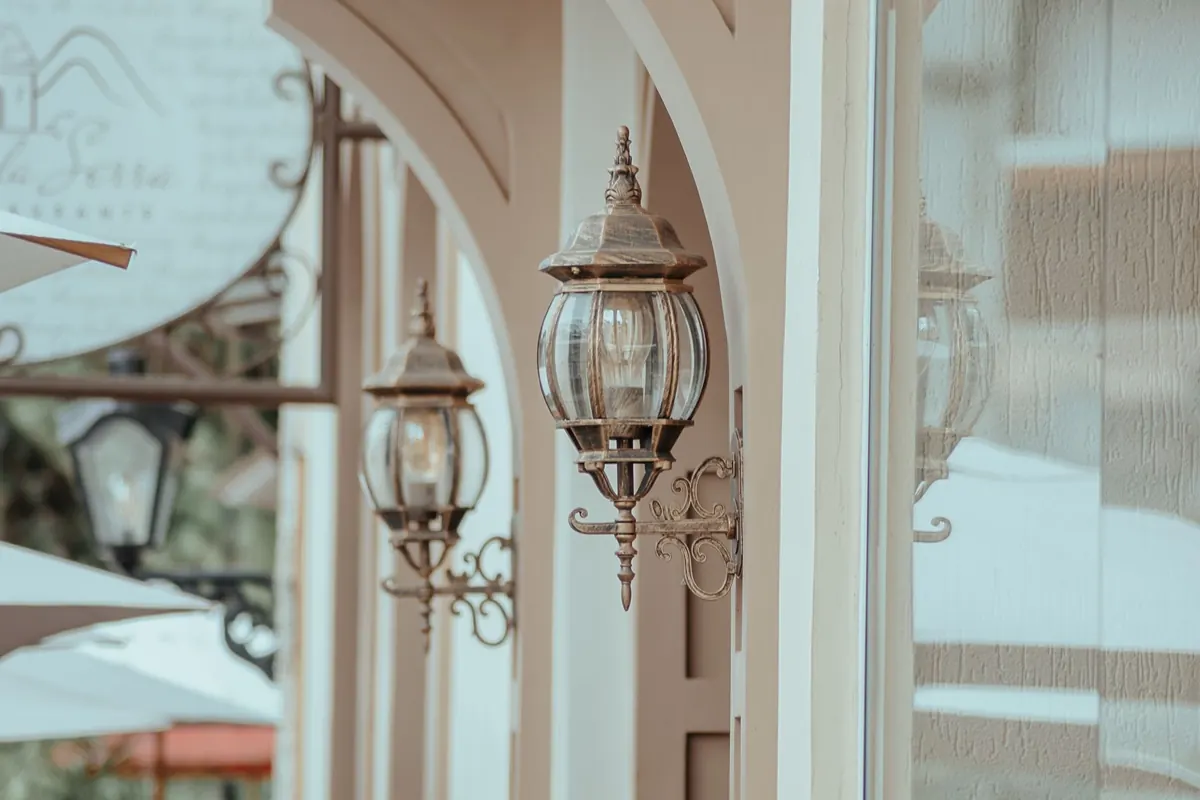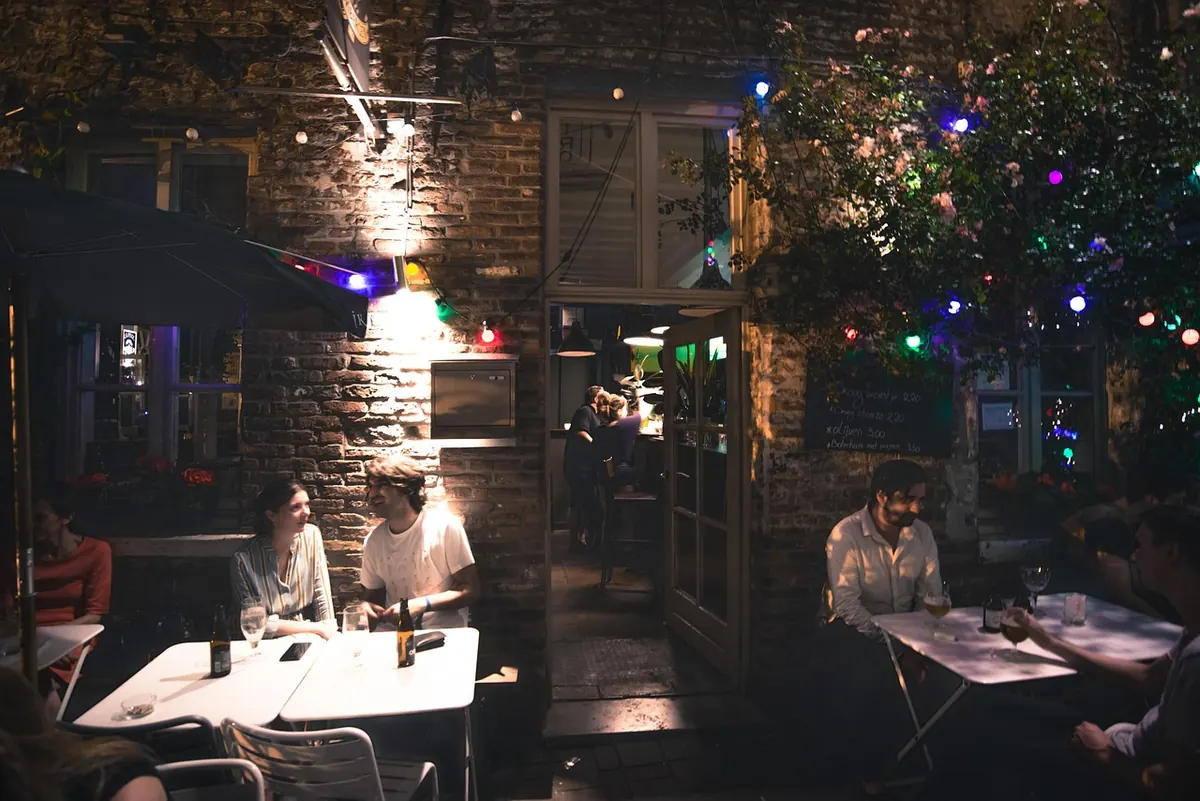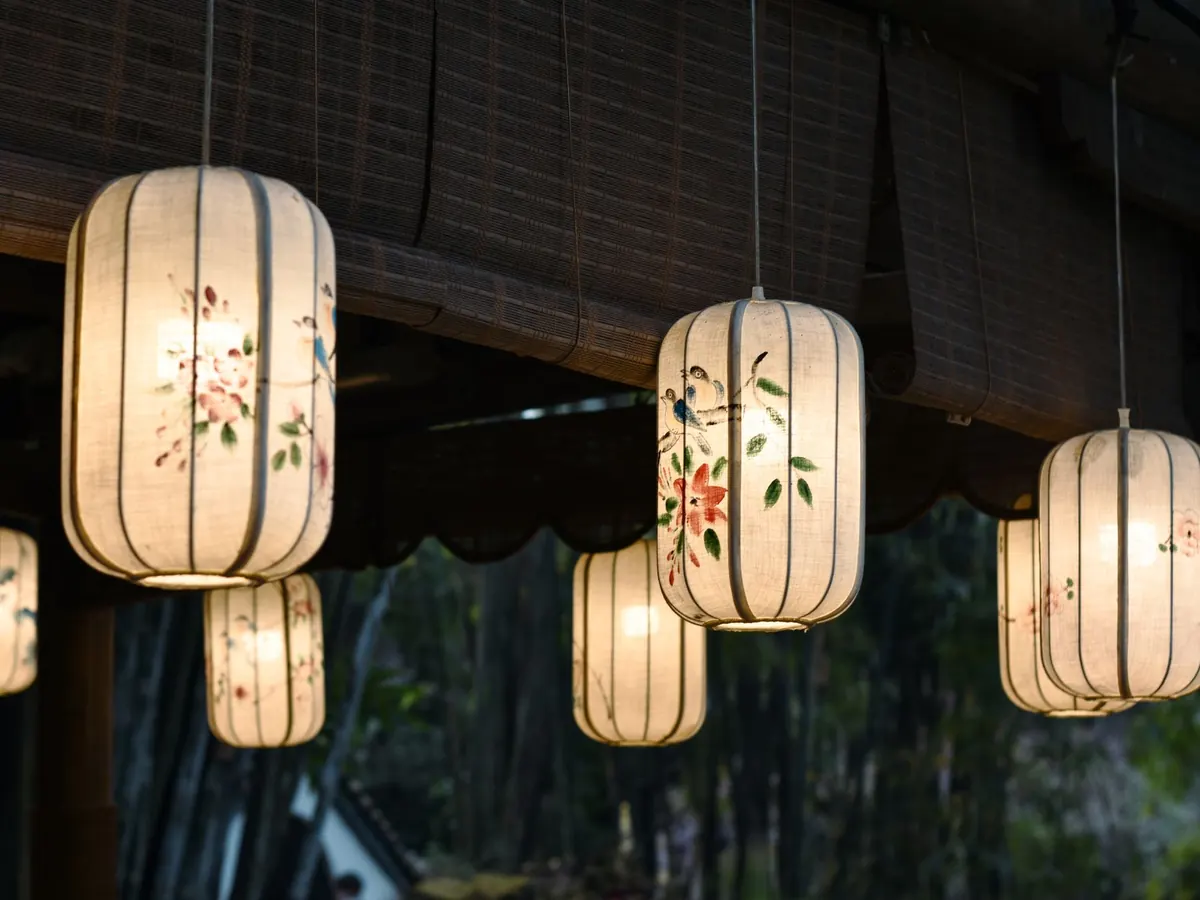
A decorative lantern is usually bought for the way it makes a doorway, path, or patio feel after dark. The choice between solar and wired versions sounds technical, but it often comes down to routine. Do you remember to bring a lantern inside before a storm? Is the chosen spot shaded by noon? Are you willing to lift a few pavers, or would you rather set a fixture on a post and leave it? Those small realities matter more than the label on the box.
Brightness: What Each Type Can Realistically Deliver
Brightness is the clearest dividing line between the two. It is also where marketing language tends to blur the useful details, so compare the light you actually need with the fixture’s honest output. A lantern that has to light three stone steps needs more punch than one that simply marks the corner of a patio.
Solar lanterns
Most solar decorative lanterns are designed for atmosphere first. Their output depends on panel size, battery capacity, LED quality, and the diffuser around the bulb. A small panel tucked under a porch roof will not charge like one in open sun, and brightness usually falls as the battery drains through the evening. For marking a path or lighting a table, that is often enough. For reading house numbers or lighting steps safely, choose a model with a higher lumen rating, a separate panel you can angle toward the sun, and a replaceable battery. Do not rely on phrases like “super bright”; look for a lumen figure and a warm-white colour temperature, generally around 2700K to 3000K. As a rough guide, 80 to 120 lumens makes a pleasant marker light, while lighting a step tread properly usually calls for 150 to 300 lumens.
Wired lanterns
A wired lantern gives consistent output until the bulb fails or the circuit is switched off. That steadiness lets you use brighter bulbs, dimmers, timers, and smart controls, provided the fixture is rated for them. The shade still matters: clear glass with an exposed bulb can glare, while frosted or ribbed diffusers spread a softer pool of light. Match the bulb to the fixture’s maximum rating, and choose lumens rather than wattage when comparing models. A modest wired lantern can be dimmed to the same gentle level as a solar one, but it can also be turned up when guests arrive or when a delivery driver needs to find the doorbell.
Reliability Through Weather, Seasons, and Shade
Reliability is not just about whether a lantern survives a rainstorm. It is also about whether it comes on reliably in December, after a week of grey skies, or during a power cut.
Solar strengths and limits
Solar lanterns avoid outdoor cable runs, which makes them resilient in a different way: there is no buried wire to damage with a spade. Their weak point is the sun. Shade from trees, a north-facing wall, or a deep porch can leave the battery undercharged. Winter brings shorter days and weaker light, so output may drop even if the panel is well placed. A panel on a south-facing fence post can look excellent all summer and then struggle in January, when the sun sits low behind a neighbour’s hedge. Cold also affects battery performance, and every battery loses capacity over time. Choose a replaceable battery, keep the panel clean and unobstructed, and check the weather rating. For exposed sites, look for a higher IP rating; a sheltered porch may be fine with a lower one.
Wired strengths and limits
Wired lanterns do not care about cloud cover. They can run from a timer or photocell, so the routine is automatic. Their vulnerabilities are moisture, damaged cable, loose connections, and power outages. A poorly sealed joint or a cable nicked by garden tools can cause flickering or failure. Good installation matters more than a fancy fixture: outdoor-rated cable, proper glands, and junction boxes that sit above splash level. If blackouts are common, remember that a standard wired lantern will go dark with the rest of the house unless you add a battery backup.
Installation Effort: The Work Behind the Glow
The installation gap is wider than the brightness gap. Solar is a weekend afternoon job; wired is a project that may need an electrician, some digging, and a clear plan.
Solar: quick, but placement is everything
- Choose a spot where the panel will receive direct sun for most of the day, not just at noon.
- Assemble the lantern and set it on its stake, wall bracket, or post before fixing anything permanently.
- Angle the panel toward the sun and check that no roof, fence, or shrub will shade it later in the season.
- Charge it fully, set the switch or sensor, and watch it for a few evenings before you commit to the position.
There is no trench, no circuit, and no electrician. The trade-off is that you cannot move the light far from its panel unless the cable allows it, so a lantern bought for the back gate may end up living by the shed if that is where the sun is.
Wired: more planning, more permanence
- Decide whether the lantern will run on mains voltage or a low-voltage system with a transformer.
- Map the cable route and check for existing pipes or cables before digging or drilling.
- Use outdoor-rated cable in conduit where it crosses soil or paving, and leave a service loop at each fixture.
- Mount the lantern, connect it with waterproof glands, and seal the entries properly.
- Have mains wiring connected and tested by a qualified electrician, then set the timer or switch.
A wired lantern is harder to move later, so place it where you will want it in five years, not just this summer. If a cable must cross a path, plan that before the paving goes down.
Ongoing Costs and Maintenance
Neither option is free to run, but the costs arrive in different ways. Solar has a higher up-front cost for a good panel and battery, then periodic battery replacement. Wired has the fixture, cable, and installation, then electricity and occasional bulb changes. LED bulbs use little power, but a timer that runs all night still adds to the bill. For either type, cleaning matters: dusty glass and dirty panels both reduce output. Check solar panels monthly in dry weather, and clean wired lantern glass at the same time.
- Solar: budget for a replacement battery every few years, keep the panel clean, and expect output to dip in midwinter; a dim or motion setting will stretch the charge through short days.
- Wired: electricity for a few LED lanterns is small, but transformers, timers, and bulbs add up over a decade, and an electrician’s call-out is not free if a circuit starts tripping.
- Both: a cracked diffuser or a corroded battery contact will end a lantern’s life long before the LED does, so favour a model you can open, clean, and repair.
Think in decades rather than seasons. A well-chosen wired fixture may outlast two solar lanterns, while a cheap solar lantern that cannot be opened is effectively disposable. The most economical purchase is usually the one with a serviceable battery or bulb, whatever the power source.
Style, Scale, and How the Lantern Looks After Dark
Daylight appearance and nighttime appearance are two different purchases. By day, a lantern is a piece of architecture: it should sit comfortably beside the door, suit the scale of the house, and not fight the door furniture. After dark, only the light matters — the pool it throws, the colour of that light, and whether you see the bulb or just the glow.
Solar models often carry the panel in the lid, which can make them chunkier or more contemporary than a traditional lantern; versions with a separate panel free the lantern to look like almost anything, at the cost of a short cable between the two. Wired fixtures can be larger, heavier, and more detailed, because they do not have to house a panel and battery in the same footprint.
Scale is where most homeowners go wrong. A single lantern beside a standard door usually looks right at roughly a quarter of the door’s height, mounted so the centre sits a little above eye level. A pair flanking a wider entrance can be smaller and still feel balanced. Along a path, space markers every two to three metres, use an odd number if the run allows it, and keep the mounting height consistent so the eye reads a rhythm rather than a scatter.
Warm light at a consistent colour temperature does more for a façade than raw brightness; three mismatched lanterns will always look cheaper than one restrained, well-placed pair.
If you mix solar and wired, buy them together or check the colour temperature of both. A crisp blue-white solar marker next to a warm wired porch light is the fastest way to make a thoughtful scheme look accidental.
How to Choose: A Quick Decision Guide
If you can answer most of these honestly, the decision usually makes itself.
- Choose solar if the spot gets six hours or more of direct sun, you want light where digging is impossible or undesirable, you are lighting atmosphere rather than tasks, and you are happy to replace batteries every few years.
- Choose wired if the position is shaded, the light must work every night without thought, you want dimming or smart control, or the lantern needs to light steps, house numbers, or a doorway properly.
- Consider a mix if the front door needs dependable light but the garden only needs markers — a wired lantern on a photocell at the door and solar stakes down the path is a common, sensible pairing.
Neither type is the better buy in the abstract. The honest answer is that a wired lantern wins wherever the light has a job to do and shade is unavoidable, while solar wins wherever the cable would be the hardest part of the job. Decide which of those two describes your site, then spend your budget on the fixture that fits it rather than on the one with the loudest box.
Photo: William Liu / Pexels